
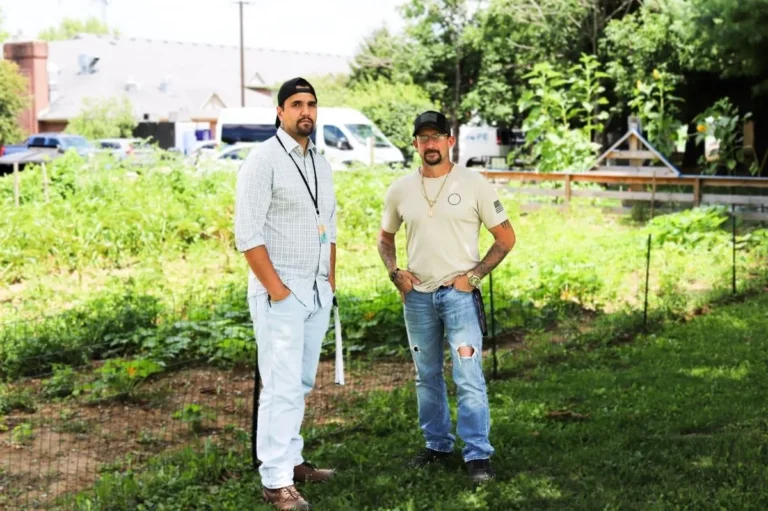
Every season, clients in our recovery program work together to plant, water, weed, and harvest the garden. Bryan Russell and Dale Valentine, two clients who help lead the effort, have witnessed firsthand how tending a garden transforms more than just the landscape.
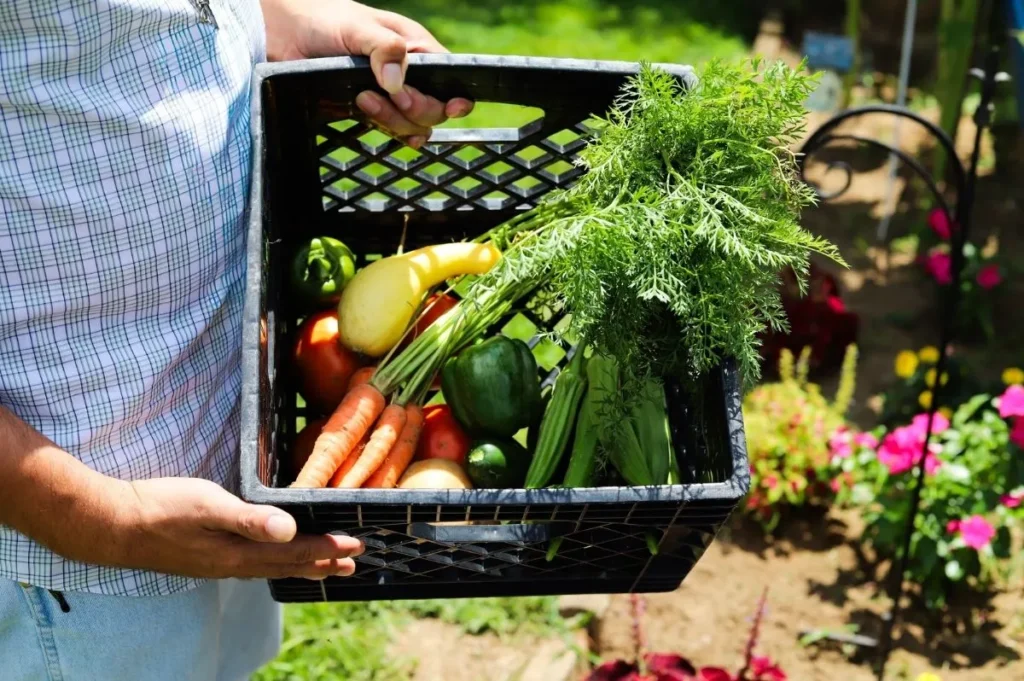
The vegetables don’t simply grow for display, they become meals. Fresh lettuce is turned into salads. Onions are chopped into recipes in the kitchen. Peppers become stuffed peppers, and green tomatoes are fried and served to fellow clients. Some of the harvest has even been shared with the community through the HopeMobile, extending the impact beyond our campus.
But the greatest harvest isn’t measured in pounds of produce.
It’s measured in life skills.
Every seed planted teaches responsibility. Every weed pulled reinforces patience. Every successful harvest reminds our clients what it means to finish something they started. Working together in the garden requires planning, teamwork, communication, and accountability, skills that are essential not only for gardening but for rebuilding a healthy, independent life.
For many of the men, gardening also offers something recovery often requires: peace.
After spending hours in classes and counseling sessions, the garden becomes a place to breathe. Watering plants, pulling weeds, and simply putting their hands in the soil provides a healthy outlet for stress. It’s a chance to clear their minds, reconnect with nature, and find stillness in the middle of a challenging journey.
As Bryan and Dale describe it, the garden becomes a place to feel grounded.
In many ways, recovery mirrors gardening. The seeds represent the choices we make. Growth doesn’t happen overnight. It requires consistent care, patience, and perseverance. Some days bring nourishing rain. Other days bring scorching heat. Yet with commitment and support, life continues to grow.
For many clients, this is the first time they’ve experienced something like gardening while living sober. It becomes a new experience tied to hope instead of addiction. Instead of looking for the next high, they look forward to checking on the plants after class. That simple routine creates purpose, structure, and something positive to anticipate each day.
The emotional impact reaches far beyond the garden beds.
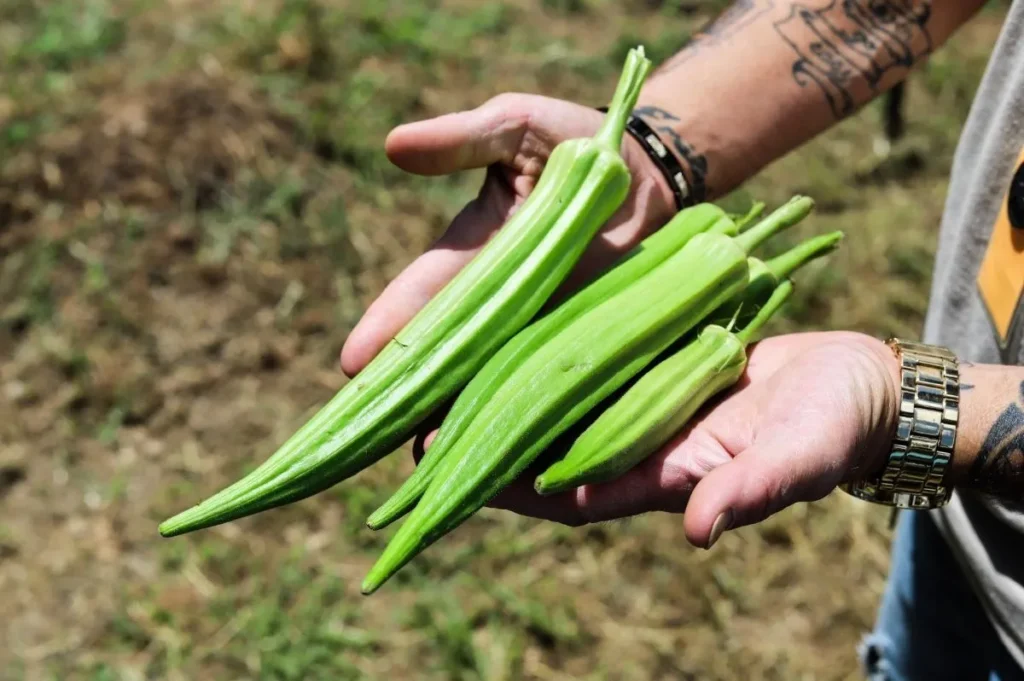
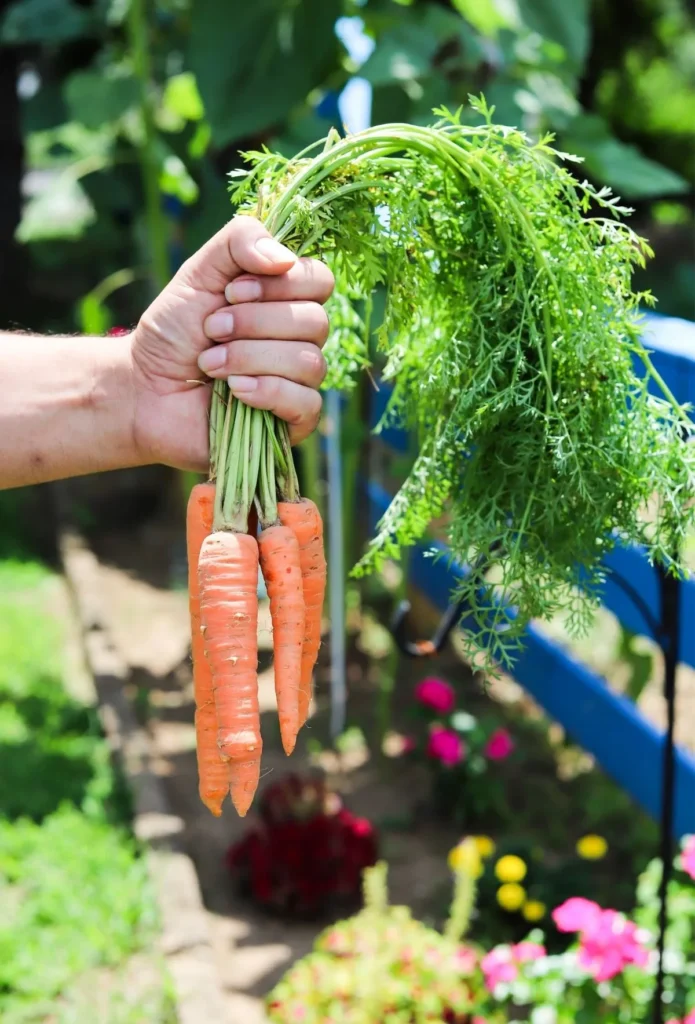
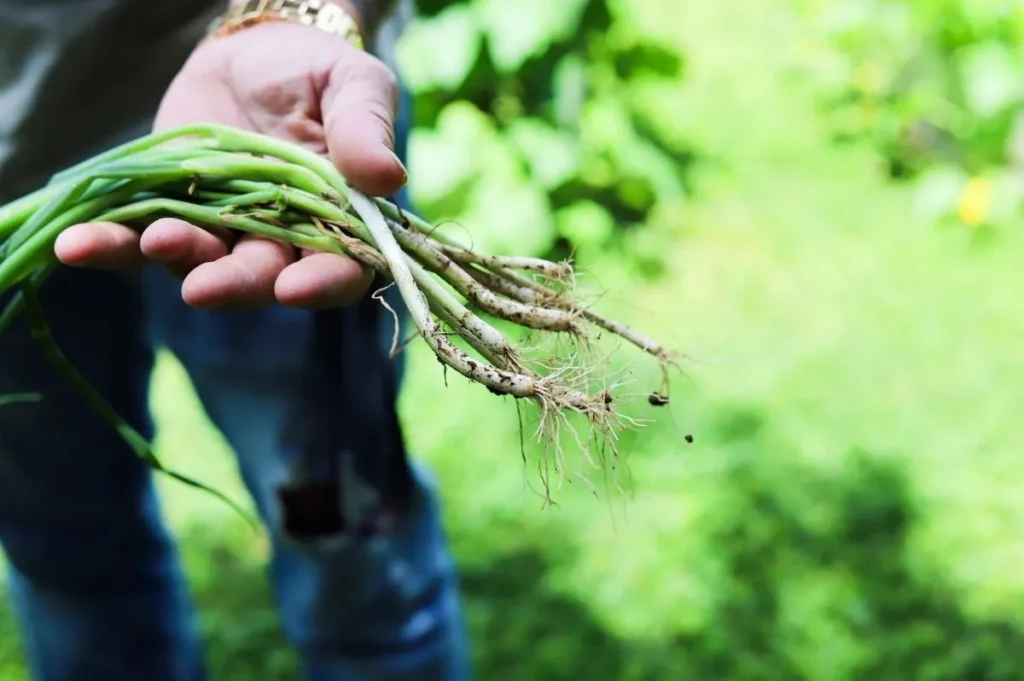
Harvesting fresh vegetables and carrying them into the Hope Center kitchen fills the men with pride. They know their work is feeding others. They know they contributed something meaningful. That sense of accomplishment builds confidence and self-esteem; qualities that addiction often steals.
The garden also strengthens relationships. It gives clients something “normal” to talk about with family and loved ones. Conversations shift from past mistakes to tomatoes that are finally ripe or peppers ready to be picked. Those shared moments create new memories and remind families that recovery is about building a new life, not simply leaving an old one behind.
The trust placed in these men to care for the garden is meaningful as well. Growing food requires commitment. It requires showing up every day, protecting what has been planted, and not letting the investment go to waste. That responsibility helps rebuild trust in themselves and in others.
Perhaps the greatest lesson is this:
Recovery, much like a garden, cannot be rushed.
It requires planting seeds of hope, nurturing healthy habits, pulling the weeds of old behaviors, and believing that even after difficult seasons, new life can emerge.
At the Hope Center, we’re growing vegetables. But more importantly, we’re growing confidence. We’re growing responsibility. We’re growing relationships. We’re growing hope!
Because this is More Than a Garden. It’s another way lives are being restored, one seed at a time.